Safety & Labels
What Japanese and US agencies say about eating foods raw, how food is labeled in each country, and where common claims go wrong. These articles report official guidance and do not give medical advice.
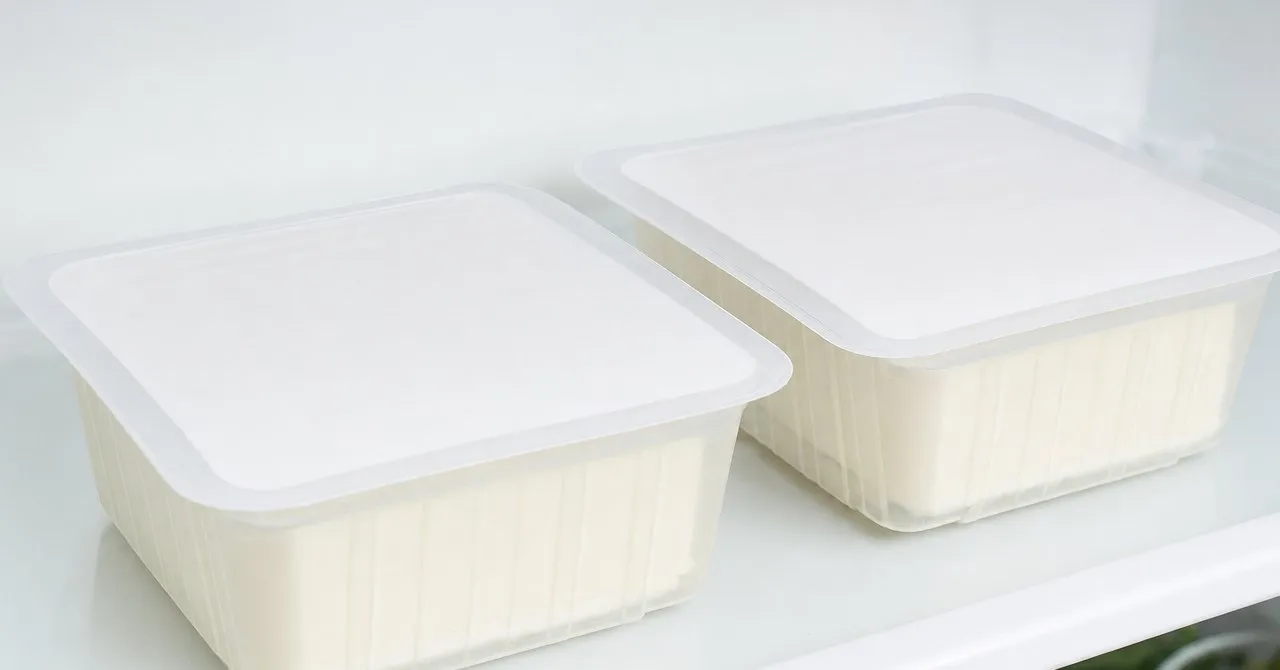 Why Japanese Tofu Expires So Fast: Japan's Two Date Labels vs. US DatesJapan prints a safety date (shōhi kigen) or a quality date (shōmi kigen). US federal rules require one only on infant formula. What it means for tofu and eggs.
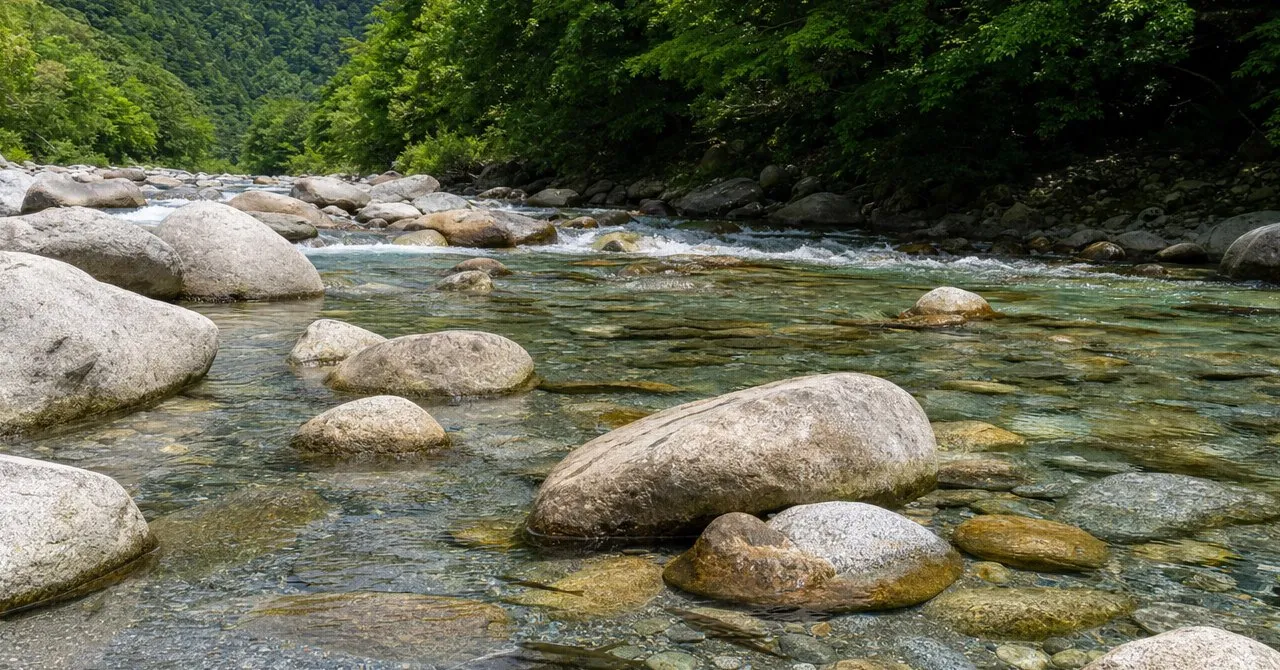 Why Japan Doesn't Eat Freshwater Fish Raw (and the Exceptions)Japan's health agencies warn against eating raw fish and crabs from rivers and lakes. The parasites they name, the exceptions, and what the FDA says.
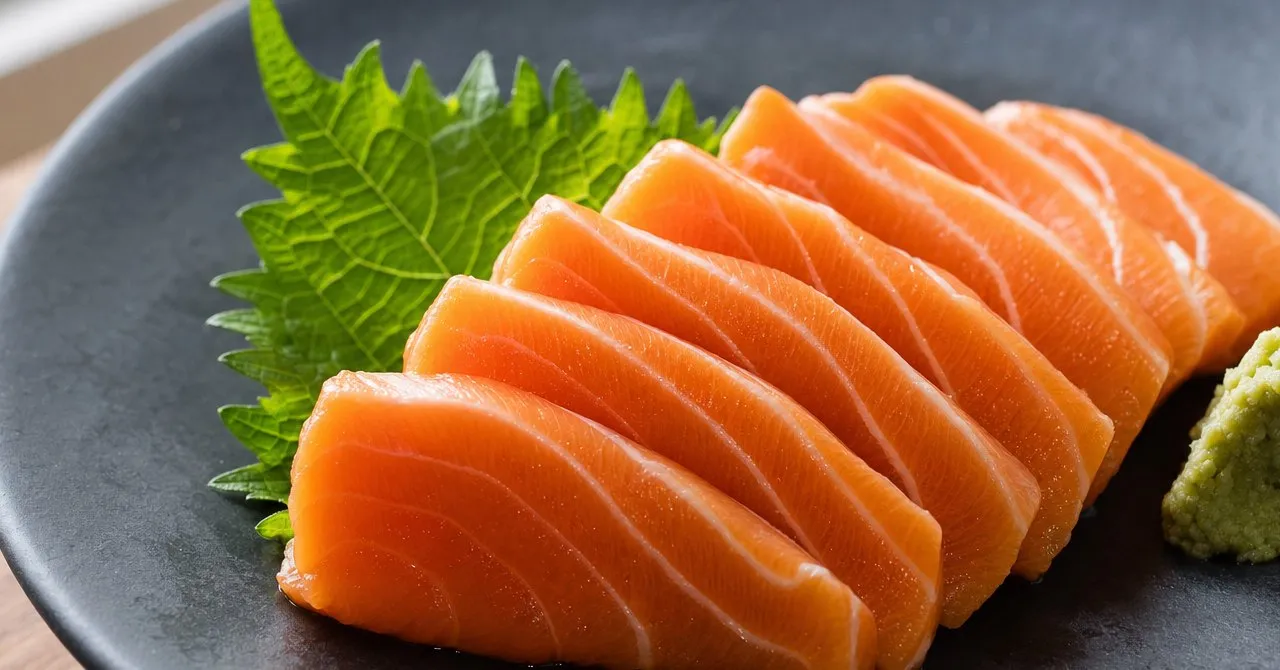 Is Sashimi Safe in Japan? Anisakis, Wasabi Myths and Why Salmon Sashimi Is NewJapan reported 280 Anisakis food-poisoning incidents in 2025. What its agencies say about raw fish, wasabi myths, and how salmon sashimi began.
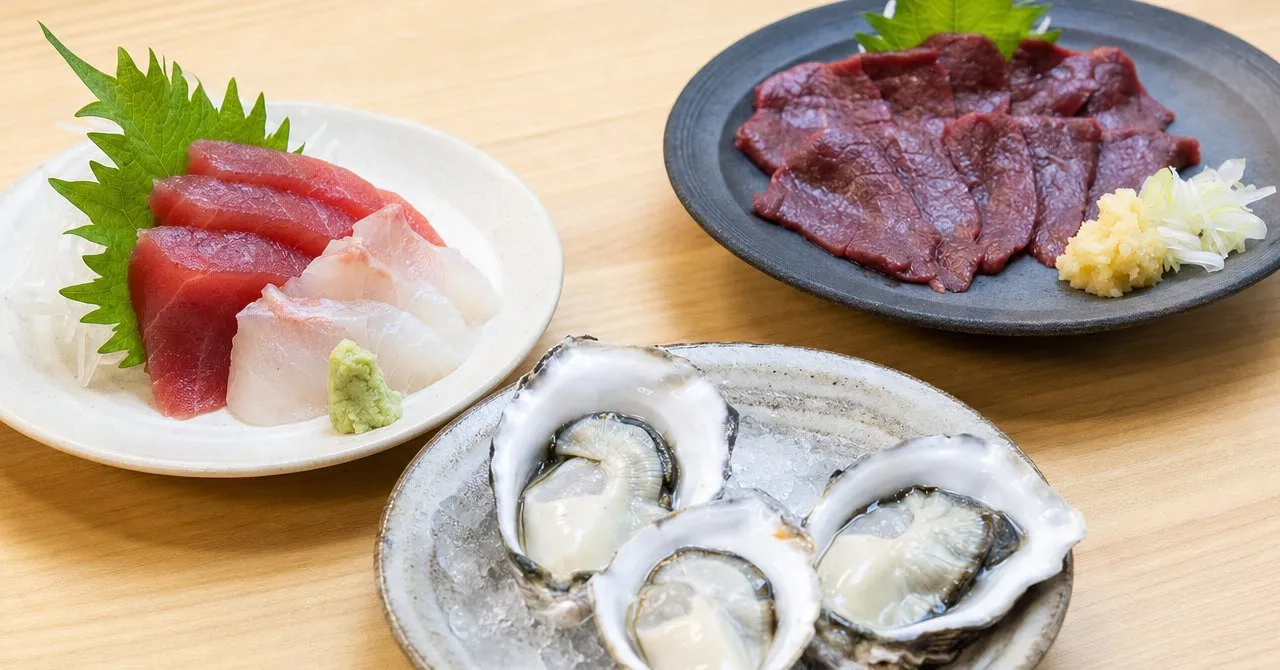 What Japan Allows to Be Served Raw: Fish, Beef, Horse, Liver, Pork, Oysters and FuguJapan has no single raw-food rule. Freezing for fish and horse, a heat step for raw beef, bans on beef liver and pork, oyster waters, certified fugu processors.
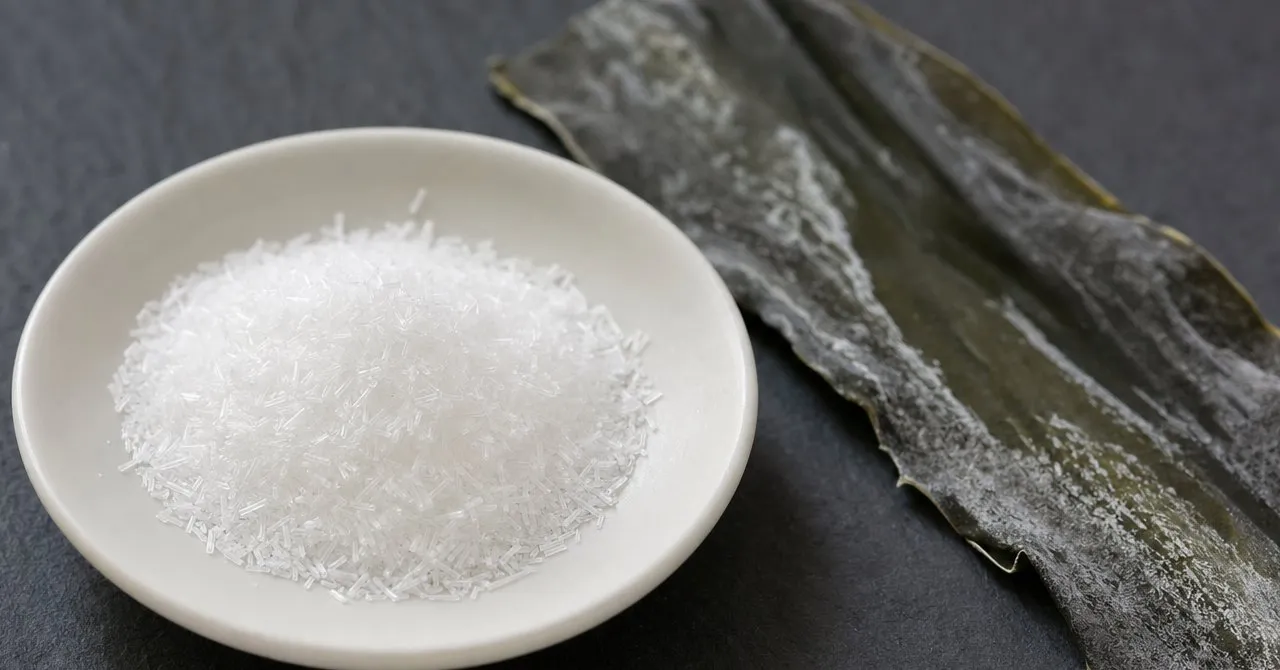 "No MSG" and "No Chemical Seasonings": Why MSG Is Still Argued Over in JapanMSG was patented in Japan in 1908. How the US and Japan label it, what “No MSG” may and may not mean, and what FDA, JECFA and Japan's regulators say.
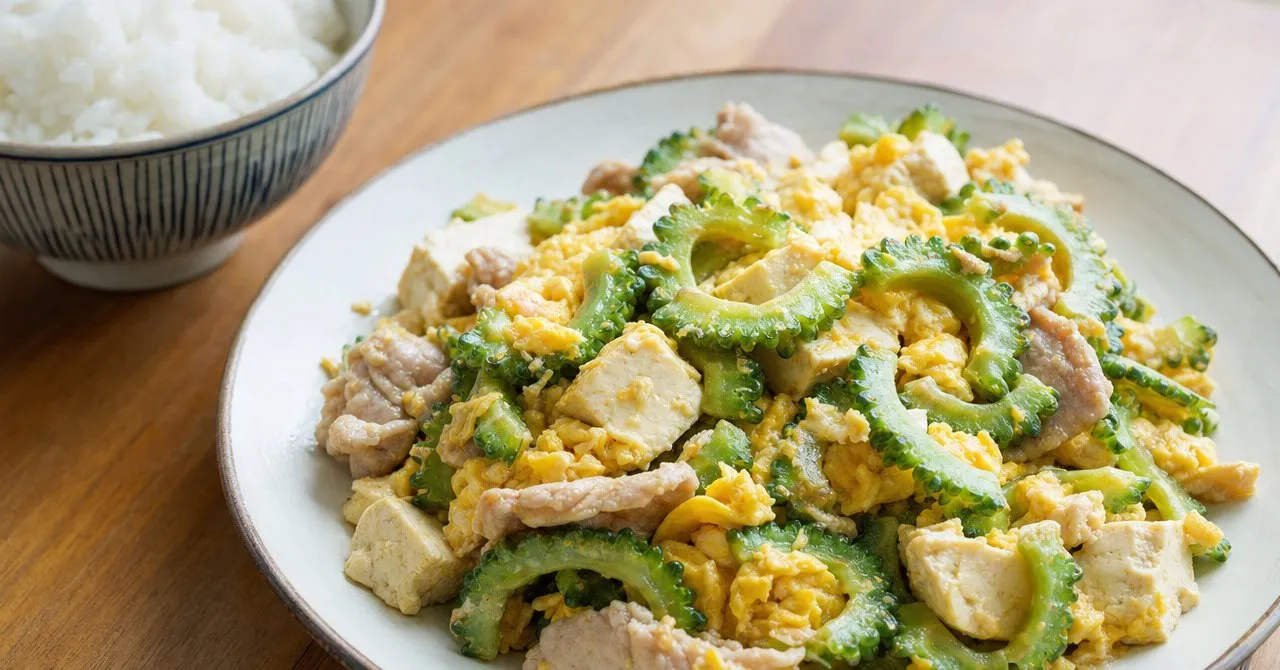 Okinawa Is No Longer Japan's Longevity CapitalOkinawa once led Japan in life expectancy. By 2020 it ranked 43rd for men and 16th for women at birth. What Japan's life tables and the prefecture say.
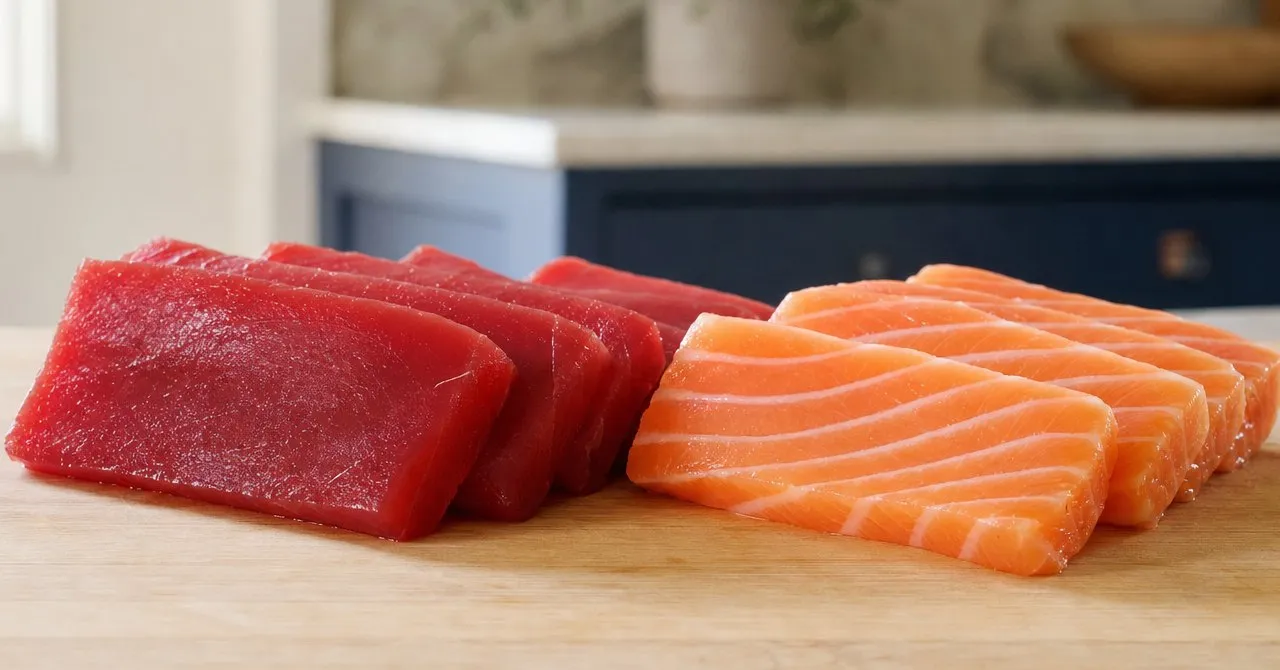 "Sushi Grade" Isn't an Official Grade: What US and Japanese Rules Actually CoverWe found no US federal definition of "sushi grade." What FDA freezing guidance says, what Japan's raw-use label covers, and what to ask before buying raw fish.
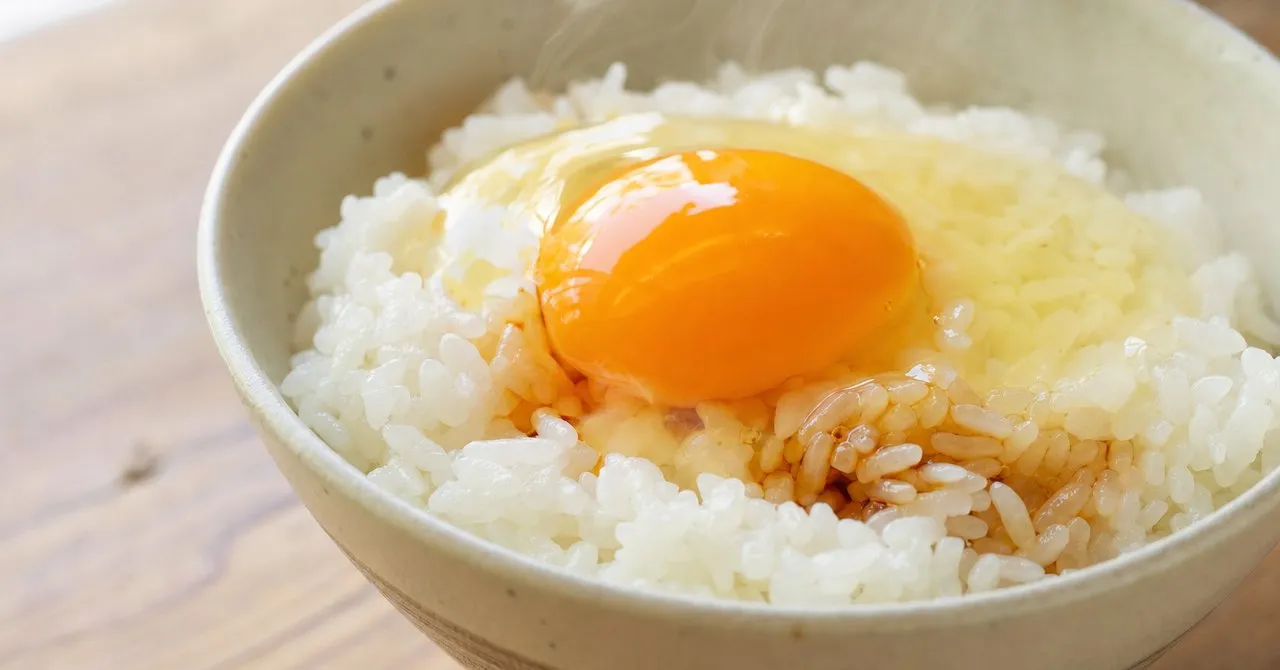 Raw Eggs and Tamago Kake Gohan: Why Japan Eats Eggs RawIn Japan, the best-before date on raw-use eggs marks how long they can be eaten raw. What that system involves, what US agencies advise, and how TKG is made.