Lost in Translation
English-language Japanese recipes drift from the originals in predictable ways: a substitute becomes the recipe, a technique gets sold as a bottled product, a dictionary definition gets lost. These articles trace each claim back to Japanese-language sources and explain what the original actually is.
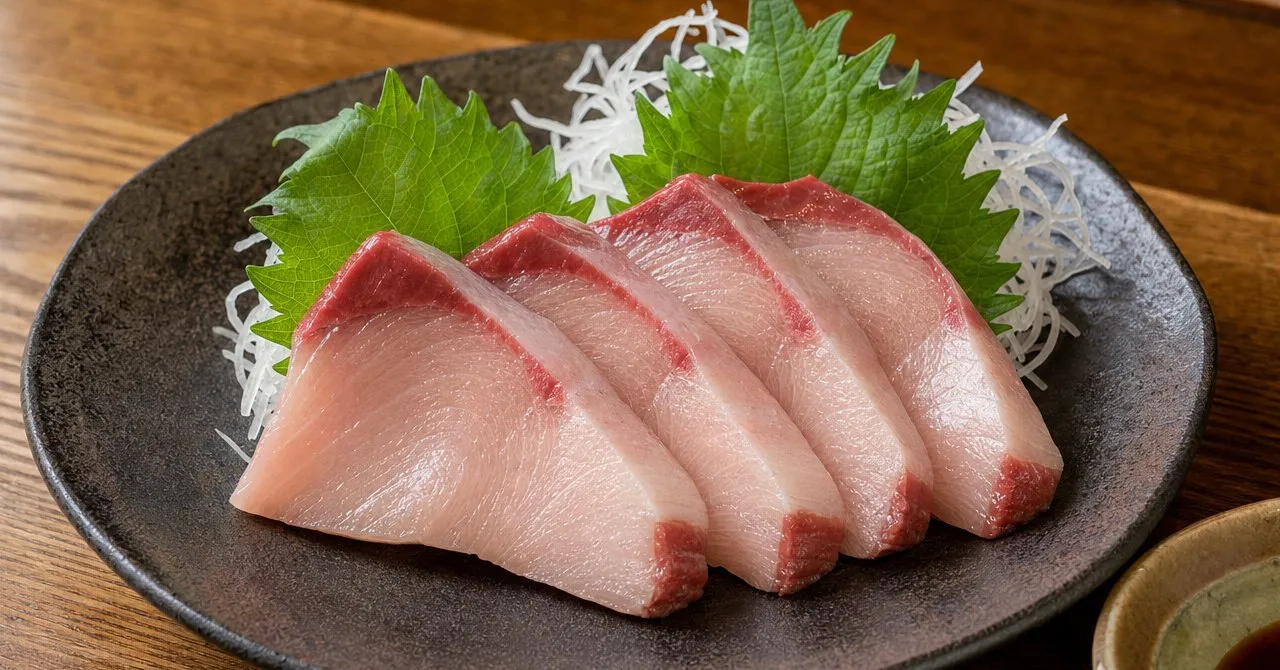 "Yellowtail" Isn't One FishIn Japan one fish, buri, changes names as it grows and by region. In the US, several fish share the name amberjack. Hamachi, buri and kanpachi explained.
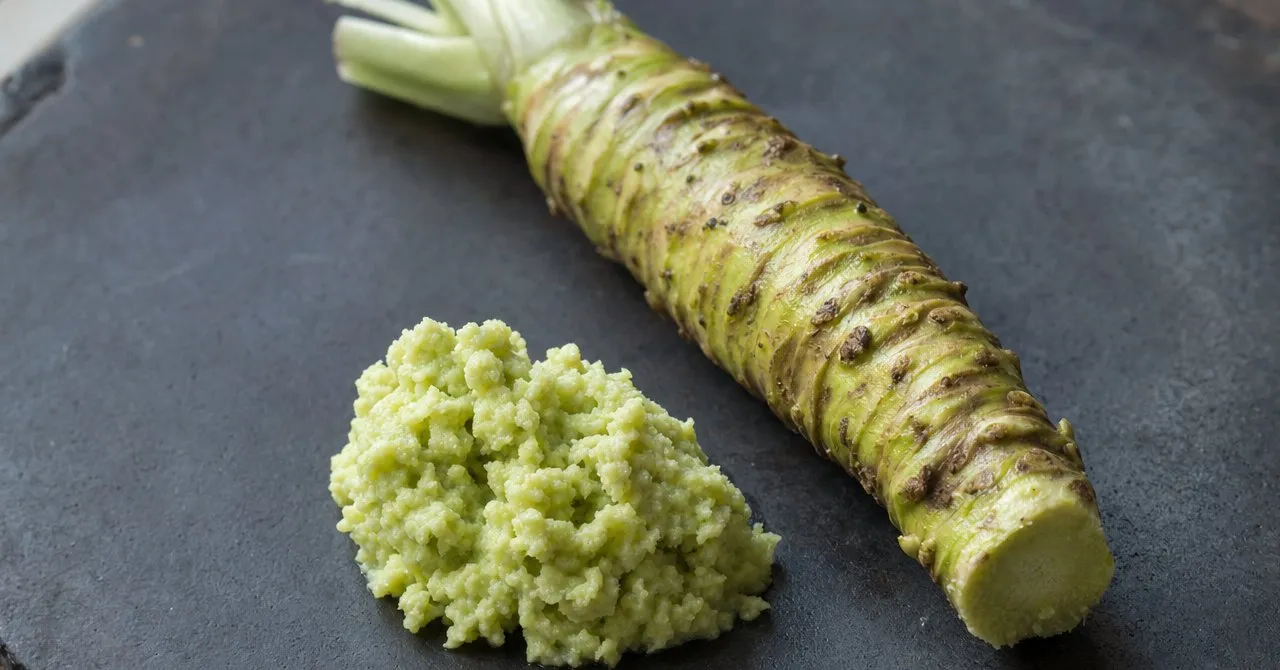 Real Wasabi vs. Horseradish: What's Actually in the TubePowdered wasabi is nearly all horseradish, and Japan's tourism agency says most non-"hon" products are too. What Japanese labels show about real wasabi.
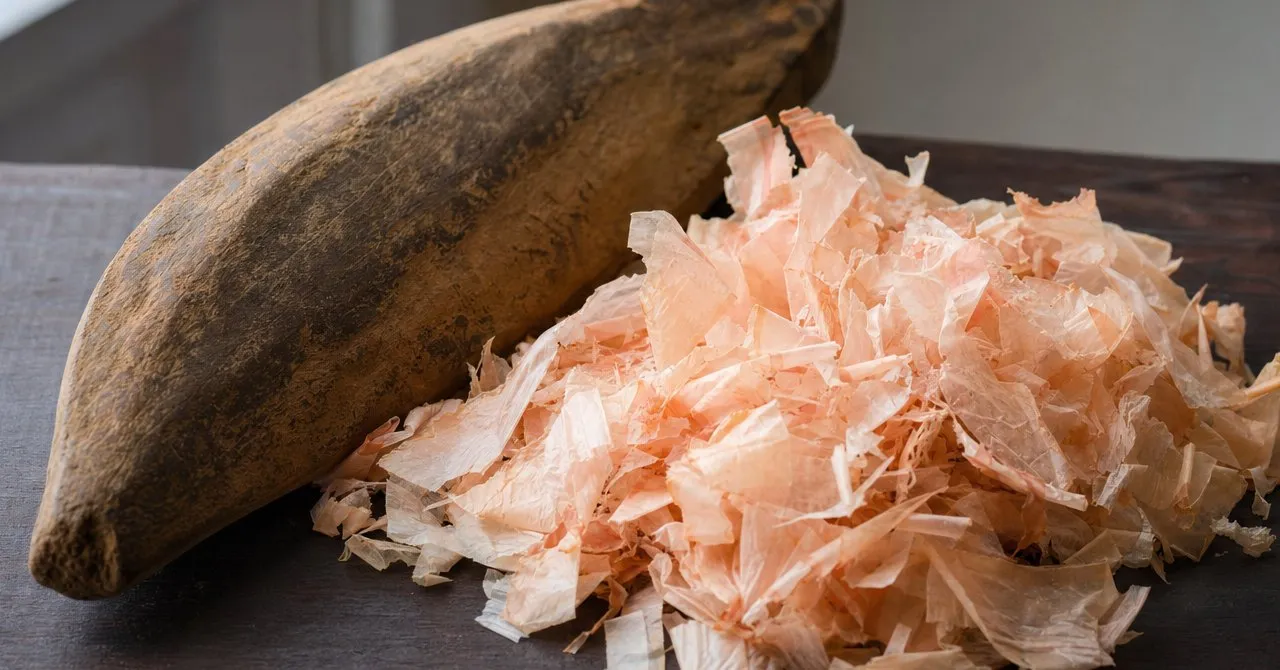 Is Katsuobushi Fermented? Arabushi vs. KarebushiNot all katsuobushi is fermented. Japan's JAS standard separates smoked fushi from mold-ripened karebushi. How each is made and how to read the label.
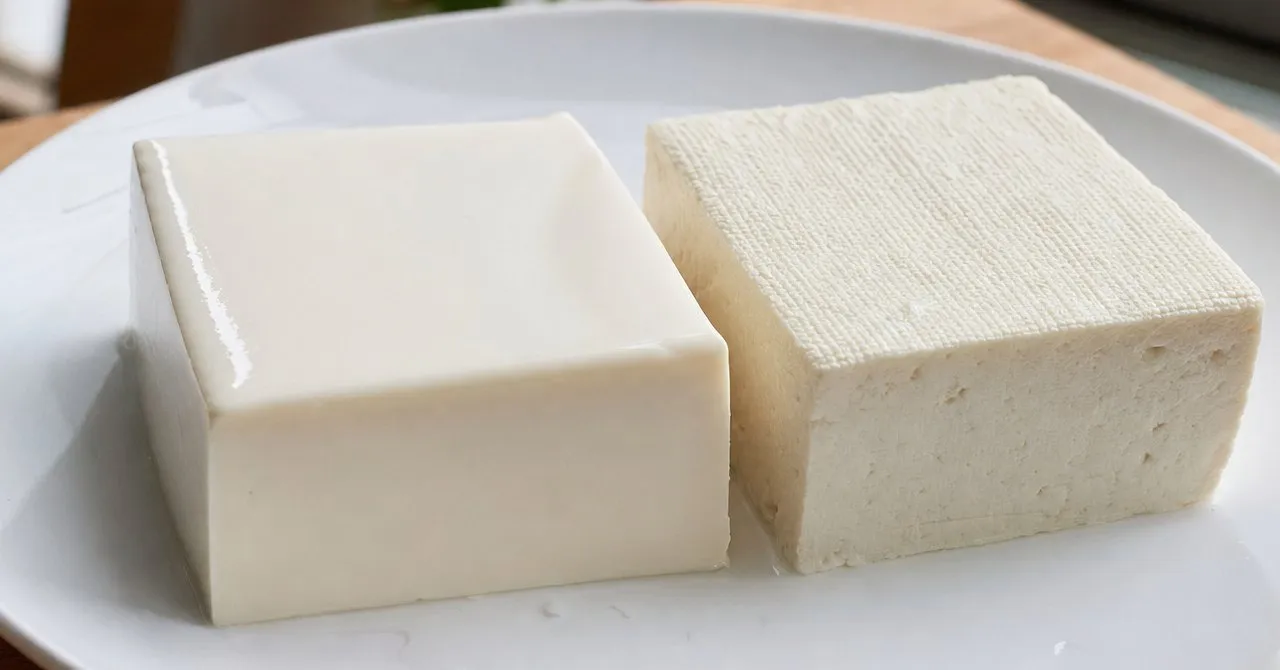 Silken Tofu Isn't Lightly Pressed Tofu: Kinugoshi vs. MomenJapanese silken tofu is soy milk set whole in a mold with no holes, never pressed. How kinugoshi and momen are made, and how they map to US labels.
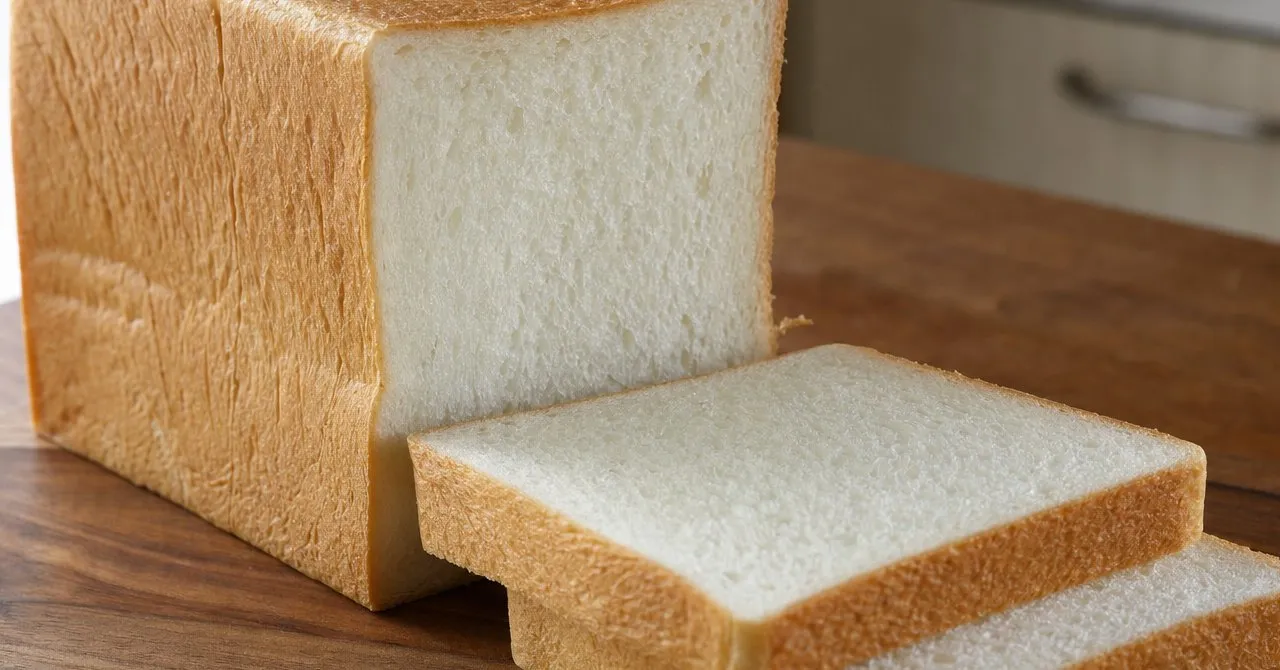 Shokupan Isn't "Milk Bread": What Japanese Sandwich Bread Actually IsJapan's bread labeling code defines shokupan by its pan, not by milk or tangzhong. What the rules say, plus Nippn's basic loaf, adapted.
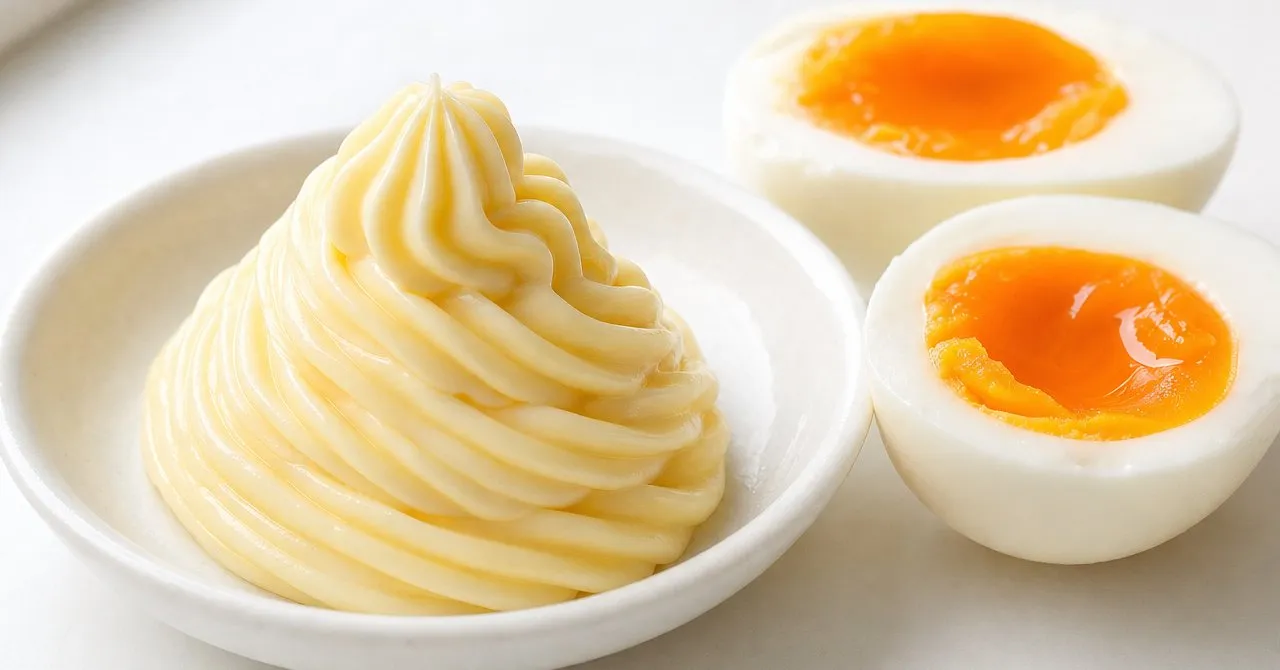 The Vinegar in Japanese Kewpie Mayo Isn't Rice VinegarJapanese Kewpie uses egg yolk, a vinegar Kewpie brews from apple juice, malt and other ingredients, and no sugar. The US-made Kewpie is a different recipe.
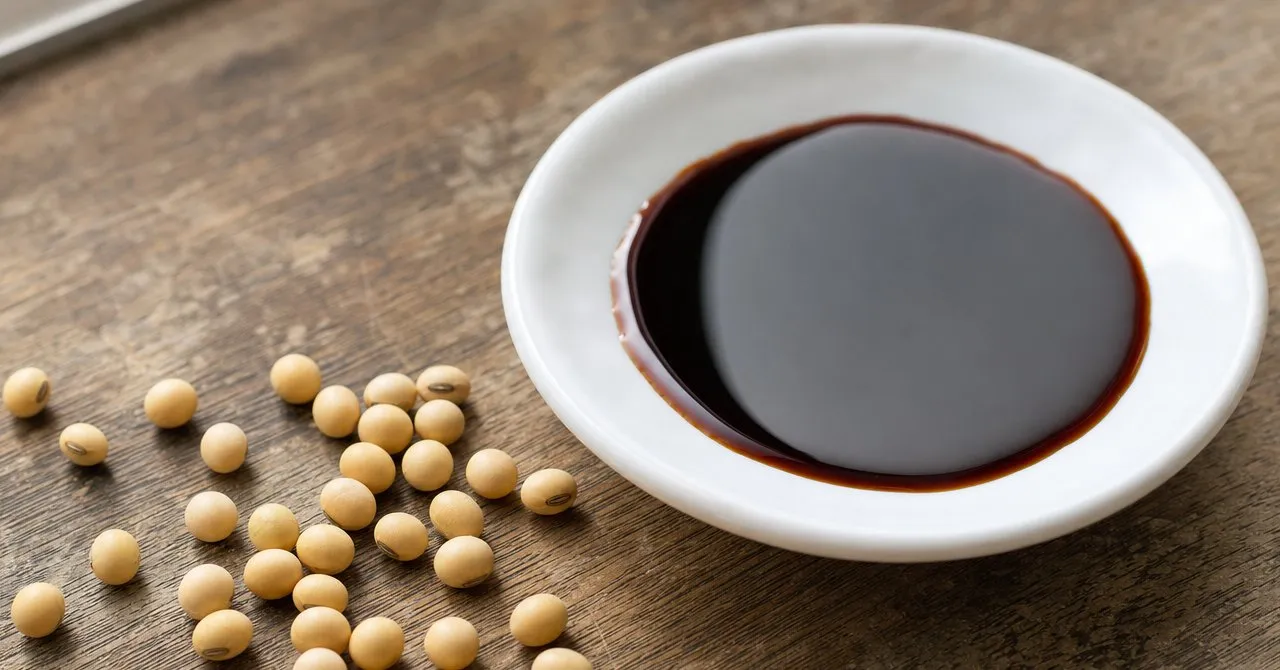 Is Tamari Gluten-Free? Not AlwaysJapan's standard lets tamari contain a small amount of wheat, and some US tamari lists wheat. What the rules say and how to read the label.
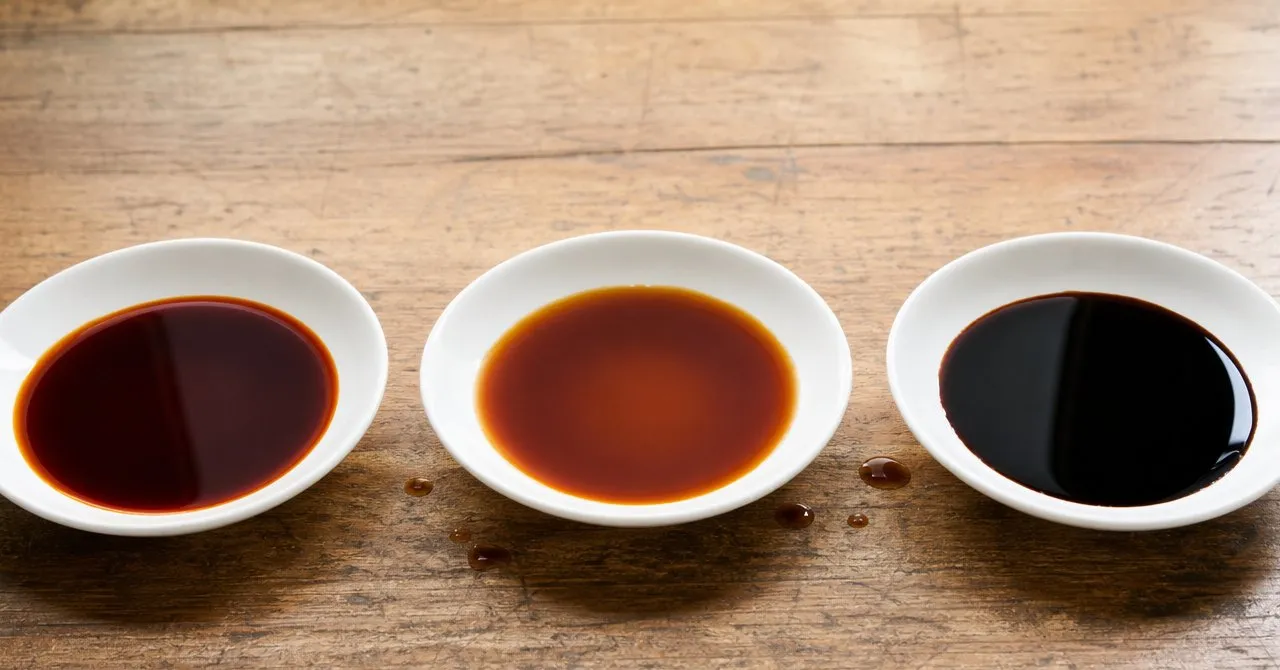 What English-Language Japanese Recipes Get Wrong — And WhyEnglish-language Japanese recipes drift from the originals in predictable ways. Six mechanisms behind the drift, traced through Japanese primary sources.
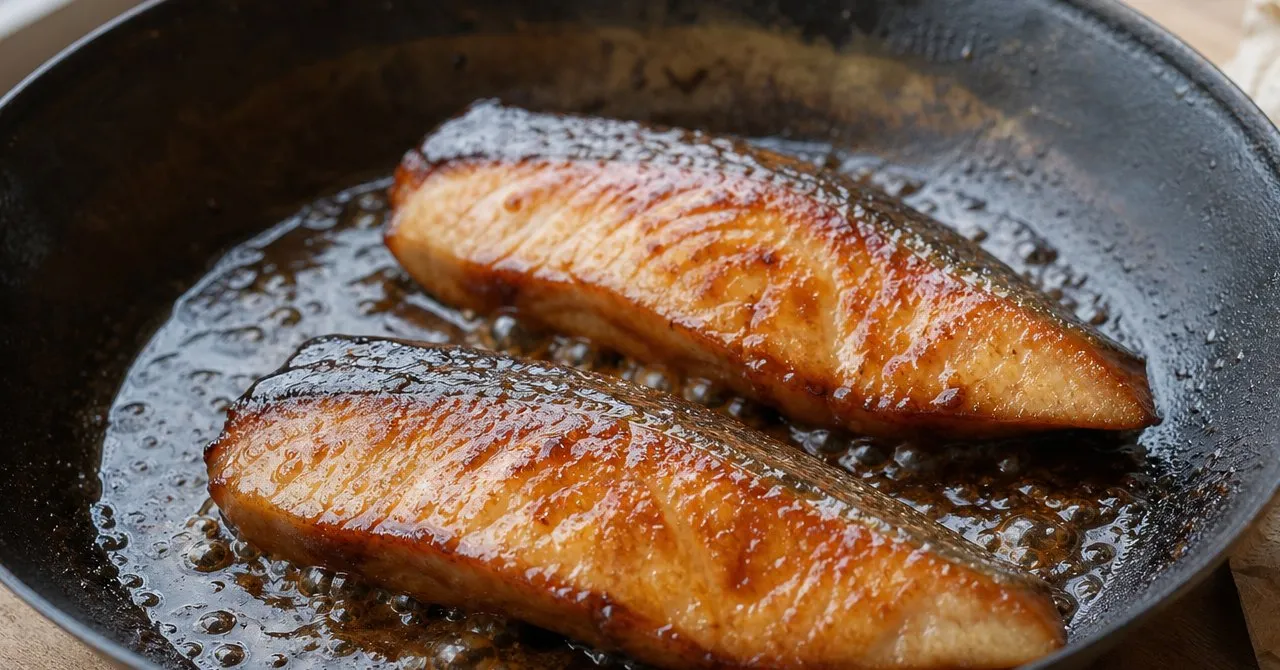 Teriyaki Is Not a Sauce. It's a Technique.In Japanese, teriyaki names a way of glazing, not a bottled sauce. Where American teriyaki came from, and how the Japanese version is made.
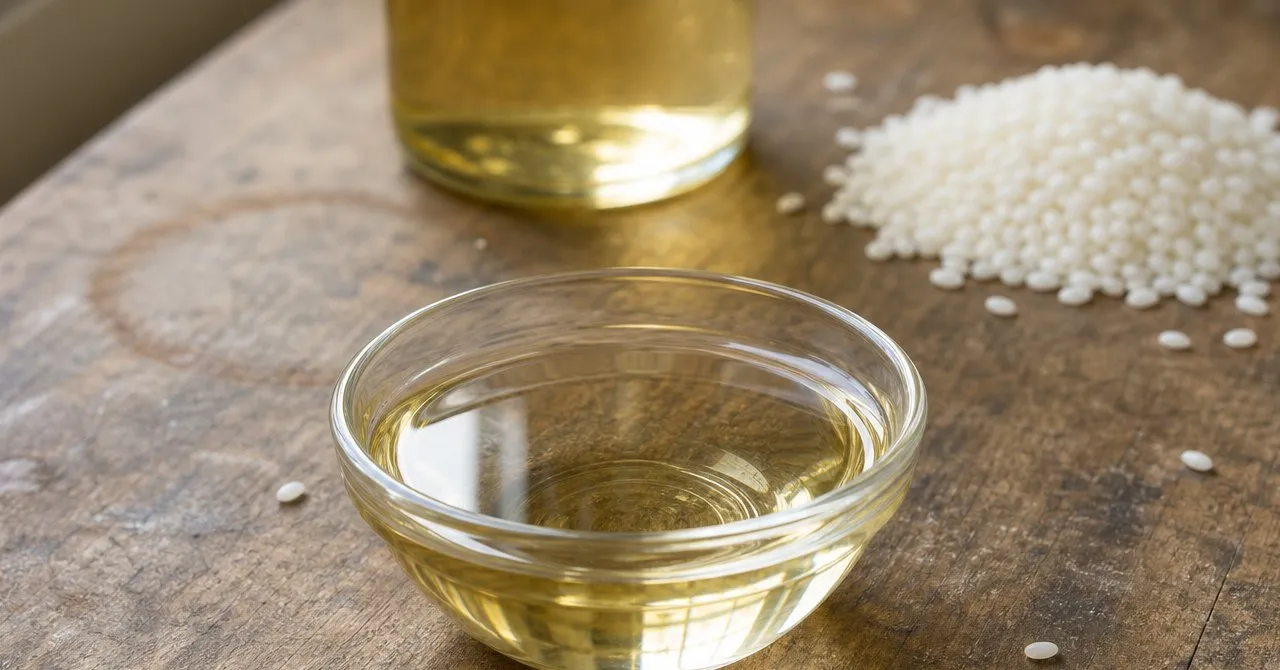 Rice Vinegar Is Not a Mirin Substitute — Here's What Actually WorksRice vinegar adds acid that mirin doesn't have. What mirin actually is, what's in US bottles labeled mirin, and what to use instead.