Why Japanese Green Tea Has No Sugar, but Matcha Can Be Sweet
In Japan, brewed green tea isn't sweetened, but matcha can be sweet or plain. Where the line falls, how sweet matcha got its start, and how Japan brews sencha.
If you’ve bought bottled green tea in a US store, it may well have been sweet. Then you read that “in Japan, nobody puts sugar in green tea,” and you order a matcha latte at a Japanese café and it’s sweet too. Can both be true?
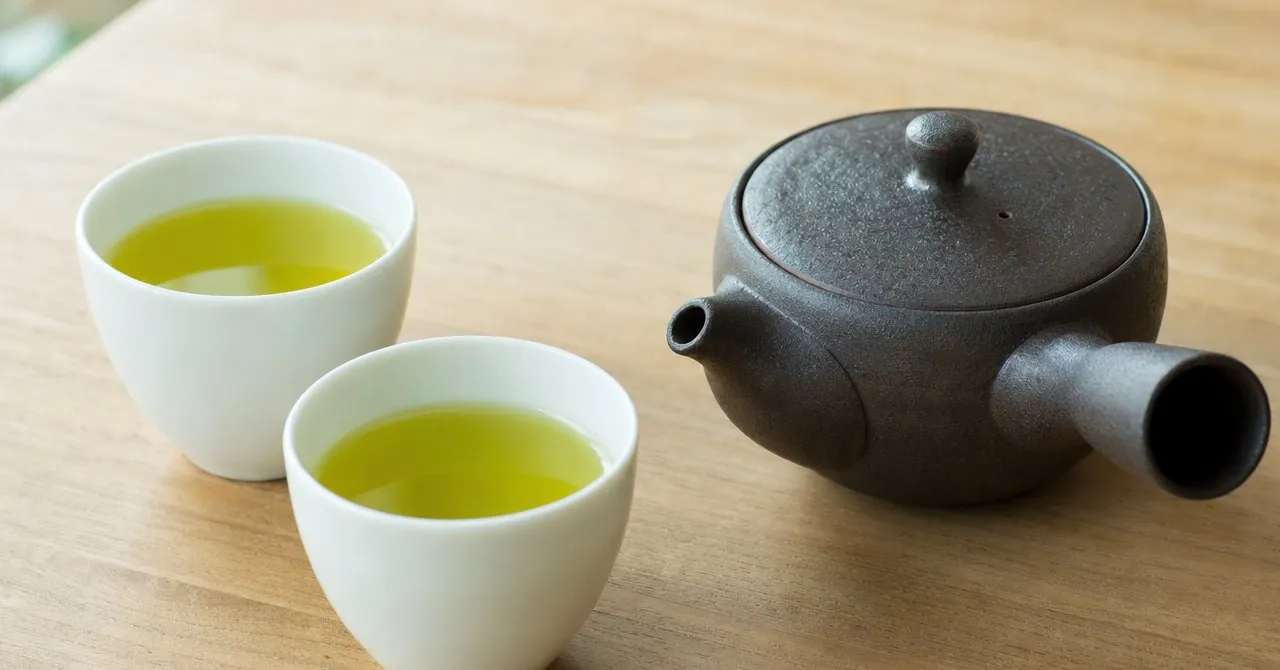
They can, because in Japan green tea and matcha follow different rules. Green tea brewed from leaves, whether it’s sencha from a teapot or one of the best-known bottles of ryokucha, is served and sold unsweetened, and a spoonful of sugar in it would strike most Japanese people as wrong. Matcha is allowed both ways. In the tea ceremony it’s whisked with nothing but hot water, while matcha lattes and sweet matcha drinks are sold sweetened, and nobody minds. The line runs between green tea and matcha, not between “Japanese” and “American.”
There are two twists. When the word matcha went abroad, it drifted toward sweet drinks. And a century ago, Americans were among the biggest buyers of Japanese green tea, and many of them drank it with milk and sugar. Below: what Japanese makers, statistics and prefectural archives say, and how Shizuoka Prefecture says to brew it.
The short answer
- Japan’s best-known bottled green teas are unsweetened. Itō En says its Oi Ocha has no added flavoring or seasoning, and Suntory’s Iyemon Kyoto Blend label shows 0 kcal and 0 g carbohydrate. Brewed sencha at home is just leaves and hot water.
- Matcha can be sweet or plain. Tea-ceremony matcha is just powder and hot water, with a sweet served first. Sugared matcha powder has been sold in Japan since the 1930s, and the sweet drink came to be called グリーンティー (“green tea” in katakana), a different word from 緑茶.
- Abroad, “matcha” leans sweet. The word now often means a green powder for drinks, and matcha lattes there often have sugar, though matcha itself has none.
- Americans used to sweeten Japanese tea too. Until the early 20th century, the US was the biggest export market for Japanese green tea, and many Americans drank it hot with milk and sugar.
- Sweet green tea isn’t “wrong.” It’s a different drink with its own history. If you want the Japanese version, look for “unsweetened” and check the Added Sugars line on the label.
In Japan, green tea is brewed tea, and brewed tea isn’t sweetened
Japan’s first ready-to-drink green tea came in a can
Itō En, maker of Oi Ocha, says it completed the world’s first green tea beverage, a canned sencha, in 1984 and put it on sale in February 1985. The Oi Ocha name followed in 1989. In 1990 the company released what it calls the world’s first green tea in a PET bottle, a 1.5-liter size; the 500 mL bottle came in 1996.
Selling tea in a can was a hard idea at the time. Itō En’s own anniversary booklet recalls the attitude it was up against:
「発売当時、日本では”お茶はタダで飲めるもの”、“お茶なんか”というのが常識。」 “When it launched, the common view in Japan was that tea was something you drank for free, and ‘tea, of all things?’” — Itō En, Oi Ocha 30th anniversary materials
On its Oi Ocha brand page, Itō En describes Oi Ocha as mukōryō, muchōmi, meaning no added flavoring and no added seasoning, and says it is made the way a household makes tea, with leaves and hot water in a kyūsu teapot.
What the labels say
Suntory’s Iyemon Kyoto Blend, a blended variety of the Iyemon line, lists green tea grown in Japan, barley, roasted rice and Japanese black tea, plus vitamin C. Per 100 mL, the label shows 0 kcal and 0 g of carbohydrate. No sugar appears on the ingredient list.
A big category with no “sweetened” column
The Japan Soft Drink Association’s Japan Soft Drink Statistics 2025 puts green tea drink production in 2024 at 3,076,900 kL, out of 23,596,300 kL for all soft drinks. That’s about 13% of the total, by our arithmetic.
Its black tea figures are split into straight, milk, lemon, other, and a separate “unsweetened (including those with sweeteners)” line. Coffee drinks get a similar “unsweetened black (including those with sweeteners)” line. Green tea gets a single number with no sweetened/unsweetened split. The statistics don’t explain why, and they don’t prove that no sweet drink in the category exists (see the matcha drink below). They do show that the industry doesn’t divide green tea by sweetness.
Japanese tea sellers describe the same thing from the drinker’s side. Takashi Narusawa, who runs Marutake Ebisu, a Nagoya shop specializing in Uji tea and matcha, wrote in 2026 about Japanese visitors being taken aback by sweet bottled tea in parts of Southeast Asia. In Japan, he writes, green tea, meaning sencha or gyokuro, is an unsweetened drink. Sweet black tea never bothered Japanese drinkers much, but sweet green tea does, and he puts that down to an unconscious sorting: black tea can be sweet, green tea isn’t.
In the US, “unsweetened” is a word on the label
In the US, “unsweetened” is something a brand spells out. Itō En’s North American site leans on the word: “Taste authentic Japanese tea culture with Oi Ocha unsweetened teas.”
The surprise runs the other way too. GEICHA, a tea project hosted on a Tokyo University of the Arts website, opens an essay on the subject this way:
「日本人が外国に旅行すると、緑茶に砂糖が入っているのに驚くという話を聞きます。」 “You often hear that Japanese people traveling abroad are surprised to find sugar in their green tea.” — GEICHA, “Do You Take Sugar in Green Tea?”
The essay’s English version adds that in ninth-century China, people put spices, citrus peel or salt in tea, and it notes the long history of milk tea. Unsweetened green tea is a Japanese habit, not a law of tea.
How to tell what you’re buying: the FDA’s Nutrition Facts label includes an “Added Sugars” line. The FDA says added sugars include sugars added during processing “(such as sucrose or dextrose),” plus syrups, honey and concentrated juices. For a bottle like Japan’s plain green teas, look for 0 g on that line and check the ingredients.
Americans once drank Japanese green tea with milk and sugar
Sweetening green tea isn’t new in America, either. A century ago, when Japan’s tea industry was built around American buyers, many Americans drank Japanese green tea with milk and sugar. We haven’t found a source that connects that habit directly to today’s sweetened bottled teas, but it shows that Americans have been sweetening green tea for well over a century.
A column from Shiga Prefecture’s historical archives puts it plainly:
「実は20世紀初めまで、緑茶の最大の輸出先はアメリカ、次いでカナダでした。」 “In fact, until the early 20th century, the largest export market for green tea was the United States, followed by Canada.” — Shiga Prefecture, “Column 2: Green Tea Exports”
The same column notes that around 1879, when the government held a silk and tea exhibition in Yokohama, raw silk was Japan’s number-one export and tea its number two. Japanese green tea then lost its market to black tea from India and Ceylon (now Sri Lanka), and tea slipped down the export rankings as cotton yarn and coal overtook it.
The historian Robert Hellyer tells the American side in Green with Milk and Sugar: When Japan Filled America’s Tea Cups (Columbia University Press, 2021). According to a Princeton East Asian Studies program description of the book, 19th-century Americans favored green tea, first from China and then from Japan, which built an export industry centered on the US. Americans, “particularly Midwesterners,” drank it “hot, often with milk and sugar.” Then, the description says, “In the 1920s, socioeconomic trends and racial prejudices pushed Americans toward black teas from Ceylon and India.” Left with surplus tea, Japanese merchants marketed sencha at home and across the empire, and it became a symbol of Japanese culture: a role it grew into partly after Japan lost the American customers who had been adding milk and sugar. (We’ve only seen the book’s descriptions, not its full text, so we’re not repeating specific figures from it.)
Matcha plays by different rules
Here’s the part that “Japanese people never sweeten green tea” leaves out: the rule is about green tea, and matcha isn’t covered by it.
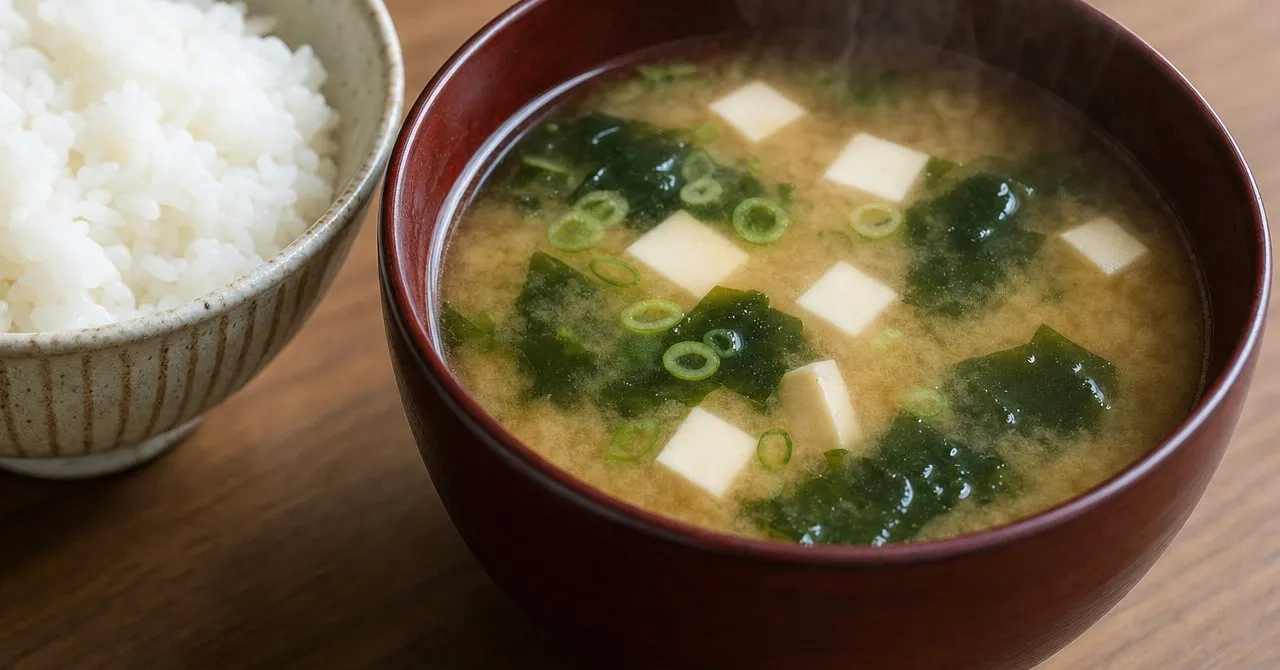
In its traditional form, matcha isn’t sweetened either. A 2017 feature on matcha in aff, the agriculture ministry’s (MAFF) magazine, describes how to whisk usucha (thin matcha): one and a half to two scoops of matcha, hot water at about 80°C (176°F), and a whisk. Nothing else goes in the bowl. The sweetness comes from outside it: at the tea class the feature describes, the sweets arrive before the tea, and it suggests serving a seasonal wagashi when you make usucha at home.
Outside the tea ceremony, though, sweet matcha has a long history in Japan, and it got there under a different name.
How matcha got permission to be sweet
Hokoen, a Uji tea seller, tells the story in two 2025 articles on its website. It says a powder of Uji matcha and granulated sugar was first sold in vacuum-sealed cans around 1930. Matcha normally needs a whisk and some know-how; the sugar let it dissolve, so it could simply be stirred into water. (Keihan, the Kyoto–Osaka railway, credits a similar product, the Kyoto tea house Ippodo’s Uji Shimizu, to 1935, and calls it a pioneer of today’s グリーンティー. Hokoen doesn’t name the 1930 maker, so we can’t say which came first.) According to Hokoen, sweet matcha drinks took off between about 1955 and 1975, as home refrigerators spread and people wanted cold drinks. A “green tea stand” opened in 1962 in the basement of the Hankyu department store in Umeda, Osaka. It took hold in Kansai, where Kyoto and Osaka shops embraced it; Hokoen credits the nearby Uji tea district and the hot summers.
The name matters. Hokoen says sellers called it グリーンティー (gurīn tī, “green tea” in katakana) rather than 加糖抹茶 (katō matcha, “sweetened matcha”), because a katakana name sounded new and stylish, which suited a café drink. It notes that in Kansai, グリーンティー often means a sweet, cold matcha drink. So in Japanese, グリーンティー and 緑茶 (ryokucha) aren’t the same word. Exactly what グリーンティー refers to depends on context, but Japanese speakers don’t hear it as 緑茶 itself. 緑茶 is tea you don’t sweeten; グリーンティー leans toward sweet matcha. Hokoen points out the trap this sets for English speakers: English “green tea” covers sencha, gyokuro and bancha, while Japanese グリーンティー came to mean a sweet powder.
The name is still in use. In April 2026, the Coca-Cola system in Japan released Ayataka Café Honnori Amai Matcha Green Tea (ほんのりあまい抹茶グリーンティー, “gently sweet matcha green tea”) in a 440 mL PET bottle. The trade paper Nihon Shokuryo Shimbun described it as having a “やさしい甘さ,” a gentle sweetness. The report doesn’t name the sweetener. With matcha and グリーンティー both in the name, the label presents it as a matcha drink rather than a sweetened bottle of ryokucha. The makers don’t say why they chose the name. Our reading: a sweet 緑茶 would put Japanese shoppers off, so the label leads with matcha, and a katakana loanword doesn’t register as 緑茶 in the first place.
Matcha lattes today
Meiji’s Tsujiri Matcha Latte, a 200 mL ready-to-drink carton made with matcha from Tsujiri, a long-established Uji tea house, lists its ingredients starting with sugar: sugar, dairy products, dextrin, matcha, edible oil and salt, followed by additives. Each 200 mL carton has 90 kcal and 17.5 g of carbohydrate. Meiji describes the flavor this way:
「京都宇治の老舗「辻󠄀利」の抹茶を使用し、抹茶とミルクのまろやかな味わいでほんのりとした甘みに仕立てました。」 “Made with matcha from Tsujiri, the long-established Uji, Kyoto tea house, and finished with a mellow matcha-and-milk flavor and a gentle sweetness.” — Meiji, product page
Starbucks in the US used to sweeten its matcha powder itself: Tasting Table reported in 2024 that “Starbucks’ matcha scoops are pre-sweetened.” Starbucks says it introduced an unsweetened matcha powder in January 2025, which “makes it easy to customize the level of sweetness by adjusting the amount of syrup.” Either way, a sweet café matcha latte isn’t a sign that something got lost in translation. Japanese companies make them sweet as well. A sweet sencha would be.
When “matcha” went abroad, the word leaned sweet
The sweetness itself isn’t foreign, since Japan sweetens matcha too. What shifted is what the word points to. Matcha itself has no sugar in it. But Hokoen notes that abroad, matcha has settled in as the name for a green powder you stir into a drink, and that matcha lattes there often contain sugar, which can make them a different thing from unsweetened matcha. In its words:
言葉が輸出されると、指すものは変わっていきます。 — When a word is exported, what it refers to changes. — Hokoen, July 2025
In Japan, the trend may now run the other way. Narusawa writes that Japanese matcha lattes have mostly been sweetened, but more people now drink them less sweet, for the aroma and bitterness of the matcha itself. He describes a path many drinkers take: from a sweet matcha latte, to less sugar, to unsweetened matcha or usucha.
Where the line falls
| Drink | Sweetened in Japan? | What the source shows |
|---|---|---|
| Sencha, bancha or hōjicha brewed at home | No | Shizuoka Prefecture’s brewing guide calls for only leaves and hot water |
| Best-known bottled green teas (ryokucha) | No | Itō En: no added flavoring or seasoning. Suntory Iyemon Kyoto Blend label: 0 kcal, 0 g carbohydrate per 100 mL |
| Bottled black tea (kōcha) | Both ways | Japan Soft Drink Association counts an “unsweetened” category separately |
| Matcha whisked for the tea ceremony (usucha) | No, served after a sweet | MAFF’s aff: matcha and hot water; sweets come first |
| Ready-to-drink matcha latte | Yes | Meiji: sugar is the first ingredient |
| Sweet matcha drink (グリーンティー, “green tea” in katakana) | Yes | Hokoen: sugared matcha powder since 1930. Nihon Shokuryo Shimbun on Ayataka Café’s gently sweet matcha green tea (2026): “gentle sweetness” |
| US bottled green tea | Varies by brand | Itō En markets its US line as “unsweetened”; check the Added Sugars line |
The practical rule: in Japan, green tea brewed from leaves isn’t sweetened. Matcha can go either way: plain in the tea bowl, sweet in lattes, drinks and sweets. If an American café’s matcha latte is sweet, that’s in line with Japan. A sweet sencha or a sugared bottle of plain green tea is where Japanese habits stop.
How Japan brews green tea
To make the unsweetened version at home, start with the water temperature. Shizuoka Prefecture publishes a brewing guide through its tea promotion division. Its standard table looks like this:
| Tea | Servings | Leaves | Water temperature | Steeping time |
|---|---|---|---|---|
| Sencha, regular grade | 5 | 10 g | 194°F (90°C) | 1 minute |
| Sencha, top grade | 3 | 6 g | 158°F (70°C) | 2 minutes |
| Bancha or hōjicha | 5 | 15 g | Boiling, 212°F (100°C) | 30 seconds |
| Gyokuro, regular grade | 3 | 10 g | 140°F (60°C) | 2 minutes |
| Gyokuro, top grade | 3 | 10 g | 122°F (50°C) | 2 minutes 30 seconds |
The page’s text and table don’t always agree. The text gives one time for all sencha, about 60 seconds (30 for fukamushi, deep-steamed, sencha), while the table splits it into 1 minute for regular and 2 minutes for top grade. For gyokuro, the text says about 2 minutes; the table gives 2 minutes 30 seconds for top grade. Only the regular-grade sencha numbers match in both places, so that’s the version below.
The pattern is the useful part: the higher the grade, the cooler the water. Bancha and hōjicha take boiling water and a short steep; top-grade sencha and gyokuro take cooler water and more time.
Everyday sencha (5 small servings)
Adapted from Shizuoka Prefecture’s published method, in its order and amounts. Not kitchen-tested by this site; the US conversions are our own arithmetic.
You need
- 10 g sencha leaves (Shizuoka’s guide says this is about 2 household tablespoons)
- About 450 mL (about 1¾ US cups + 2½ tbsp) freshly boiled water, 90 mL (about 6 tbsp) per serving
- A kyūsu or other small teapot, and 5 small teacups
Steps
- Cool the water in the cups. Pour the boiled water into the teacups until each is about 80% full and let it cool, to about 194°F (90°C) for regular sencha. (For top grade, Shizuoka’s guide uses about 158°F (70°C) and 60 mL, about ¼ US cup, per person.)
- Put the leaves in the teapot. Shizuoka’s guide adds that for fewer people you should use a little more leaf; it doesn’t give an amount.
- Pour the cooled water from the cups into the teapot and steep about 60 seconds (about 30 seconds for deep-steamed sencha).
- Pour evenly. Pour a little into each cup in turn so every cup gets the same strength, and drain the pot down to the last drop.
For a second steep, the guide says to add hot water and wait just 10 seconds.
If you want to add honey or sugar, that’s your cup. It just won’t be the way the Japanese sources above serve it. For converting other Japanese measurements, see Cooking Japanese recipes in an American kitchen.
FAQ
Do Japanese people put sugar in green tea?
Not in plain brewed green tea. Japan’s best-known bottled green teas are unsweetened, Itō En describes Oi Ocha as having no added flavoring or seasoning, and Shizuoka Prefecture’s brewing guide uses only leaves and water. Matcha is a different matter: it’s whisked plain in the tea ceremony, but Japanese matcha lattes and sweet matcha drinks, now often sold as グリーンティー (“green tea” in katakana), are normal.
Is Japanese bottled green tea unsweetened?
The big-name ones we looked at are. Suntory’s Iyemon Kyoto Blend label shows 0 kcal and 0 g carbohydrate per 100 mL. Its ingredients are green tea, barley, roasted rice and Japanese black tea, plus vitamin C. Japan’s soft drink statistics don’t split green tea by sweetness, though they do for black tea.
Is a matcha latte sweet in Japan?
The ready-to-drink one we checked is. Meiji’s Tsujiri Matcha Latte lists sugar as its first ingredient and describes a “gentle sweetness.” In Japan, the dividing line is between green tea brewed from leaves, which isn’t sweetened, and matcha, which can be. It isn’t between Japan and the US.
Why do Americans sweeten green tea?
We haven’t found a source that fully explains it, but the habit is old. Until the early 20th century, the US was the largest market for Japanese green tea, and a Princeton description of historian Robert Hellyer’s book says many Americans drank it hot, often with milk and sugar, before shifting to black tea in the 1920s.
How this article was researched
This article draws on Japanese-language sources: Itō En’s Oi Ocha anniversary materials and brand page, Suntory’s product label, Meiji’s product page, a 2017 matcha feature in MAFF’s magazine aff, a Nihon Shokuryo Shimbun trade report on an Ayataka Café product, a Keihan railway feature on Ippodo’s Uji Shimizu, two articles from the Uji tea seller Hokoen, a column by the owner of the Nagoya tea shop Marutake Ebisu, the Japan Soft Drink Association’s Japan Soft Drink Statistics 2025, Shizuoka Prefecture’s brewing guide, a historical column from Shiga Prefecture’s archives, and the GEICHA tea project hosted on Tokyo University of the Arts’ website. For the US side, we used Itō En’s North American site, the FDA, a Princeton description of Robert Hellyer’s book, Starbucks’ newsroom and Tasting Table. Japanese quotations are kept short and translated by us. The brewing method is adapted from Shizuoka Prefecture and has not been kitchen-tested by this site; the US conversions are our own arithmetic. We could not open official ingredient pages for several US bottled green teas, so we haven’t named their sugar content.
Sources
Manufacturers:
- 「お~いお茶」30周年 資料 — Itō En, Oi Ocha 30th anniversary materials (PDF)
- お~いお茶 — Itō En, Oi Ocha brand page
- ITO EN — Itō En North America home page
- サントリー緑茶 伊右衛門 京都ブレンド — Suntory, Iyemon Kyoto Blend product information
- 辻利 抹茶ラテ — Meiji, Tsujiri Matcha Latte product page
- Matcha is having a moment, with Starbucks front-and-center — Starbucks newsroom
Tea sellers and companies:
- 宇治豊香薗「甘いグリーンティーが広まった背景」 — Hokoen: how sweet green tea spread (July 1, 2025)
- 宇治豊香薗「『グリーンティー』という呼び名はどこから来たのか」 — Hokoen: where the name グリーンティー came from (July 18, 2025)
- 丸竹夷「甘い緑茶に驚く私たち」 — Marutake Ebisu: why sweet green tea surprises Japanese drinkers (July 21, 2026)
- 京阪電気鉄道「No.84 鮮やかな緑が目にも涼やかな1杯」 — Keihan: Ippodo’s Uji Shimizu green tea
Trade press:
Industry statistics:
Japanese government and local government:
- 特集2 抹茶(1) — MAFF, aff April 2017
- おいしいお茶の入れ方 — Shizuoka Prefecture, how to brew tea
- 【コラム2】緑茶の輸出 — Shiga Prefecture historical archives, green tea exports
University and history:
- 緑茶に砂糖を入れるの? — GEICHA (hosted by Tokyo University of the Arts), “Do You Take Sugar in Green Tea?”
- Green with Milk and Sugar: When Japan Filled America’s Tea Cups — Princeton University, East Asian Studies Program
- Green with Milk and Sugar — University of Cambridge, Asian and Middle Eastern Studies
US government and English-language examples: