Japanese Pantry, American Store
Japanese recipes assume Japanese ingredients: Japanese cup sizes, Japanese soy sauces, vegetables sold at Japanese sizes, meat sliced for specific dishes. These articles explain what a Japanese recipe means by each ingredient and what the closest match is in an American store.
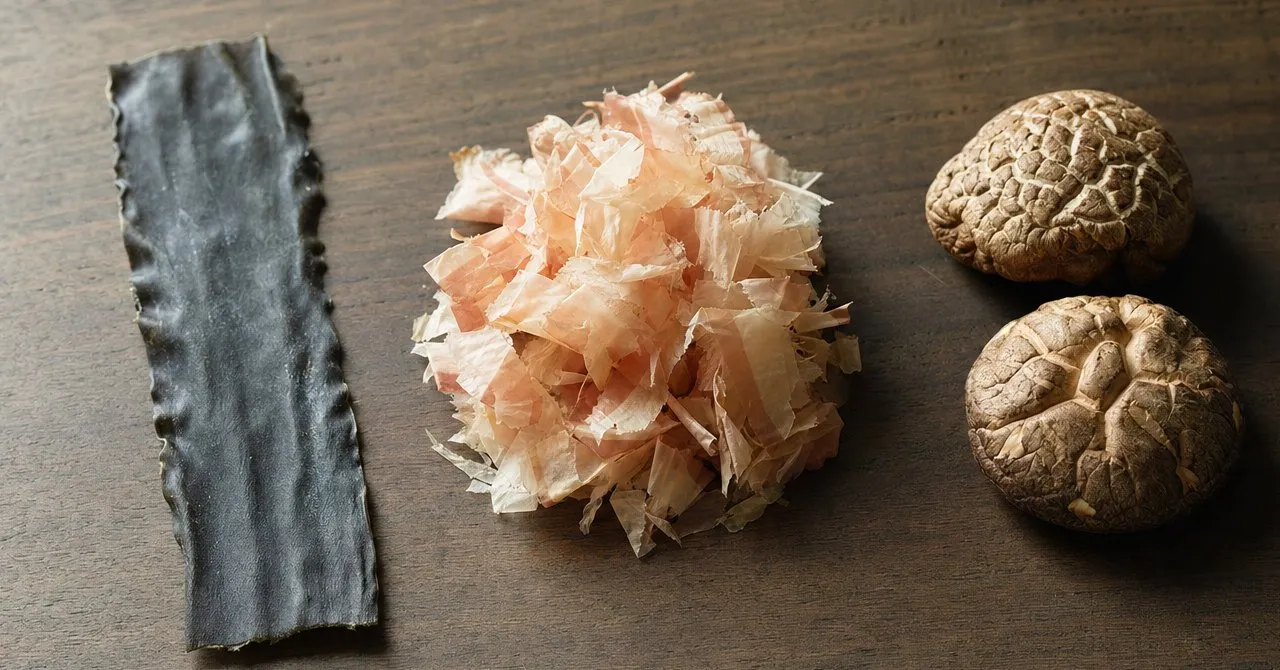 The Three Umami Compounds: Glutamate, Inosinate and GuanylateUmami comes mainly from glutamate, inosinate and guanylate. Who found each one, which foods contain them, and why pairing them matters.
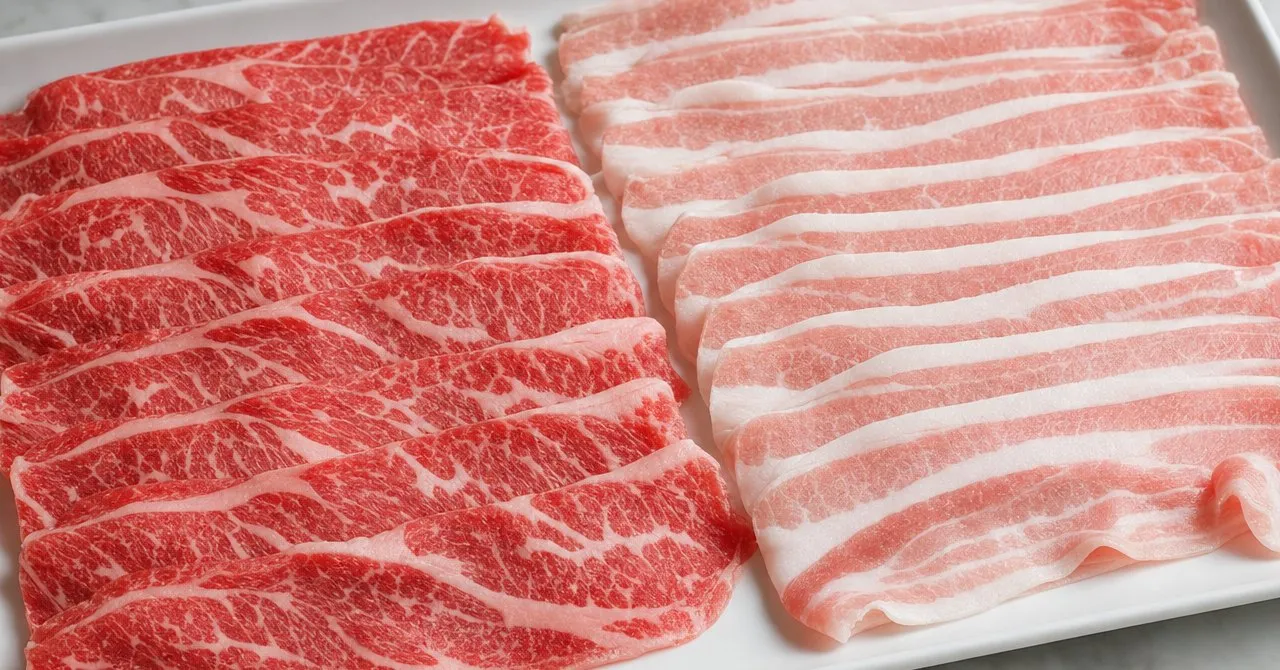 Thin-Sliced Meat: How Japanese Stores Sell It, and What to Buy in the USJapanese meat is labeled by dish and by cut: shabu-shabu, sukiyaki, kiriotoshi, komagire. What the labels mean, and how to find or slice thin meat in the US.
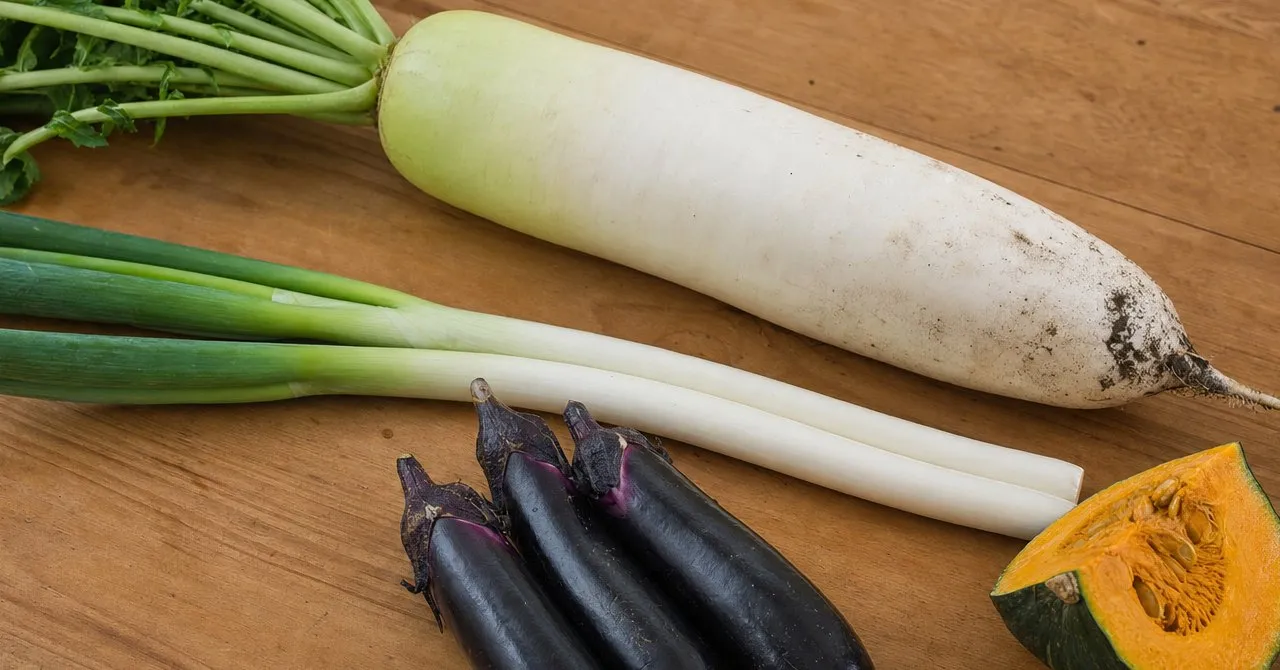 Japanese Vegetables in American Stores: Sizes, Names and SwapsJapanese recipes count vegetables by the piece, but a Japanese onion, carrot or eggplant isn't a US one. Weights compared, plus negi, piman and yam names.
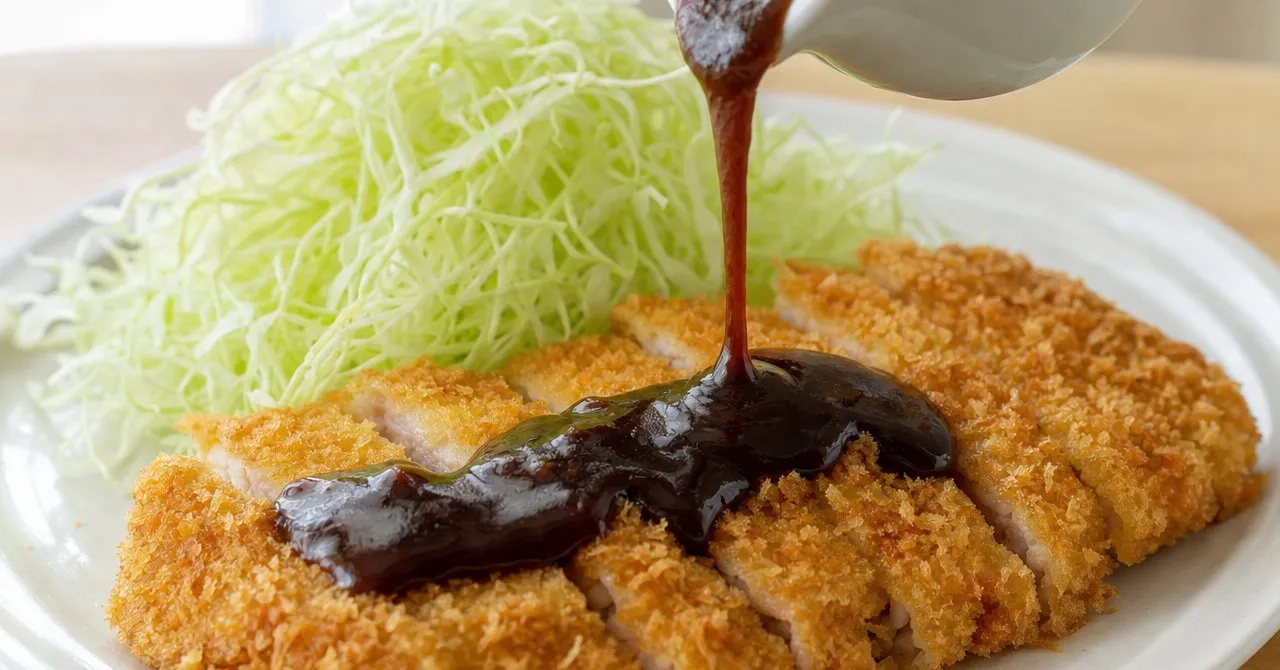 In Japan, "Sauce" Means Something Specific: Worcestershire, Chūnō and Tonkatsu SaucePlain "sauce" in Japanese means a brown Worcestershire-style sauce. JAS sorts it into three thicknesses; the thickest is sold as tonkatsu sauce.
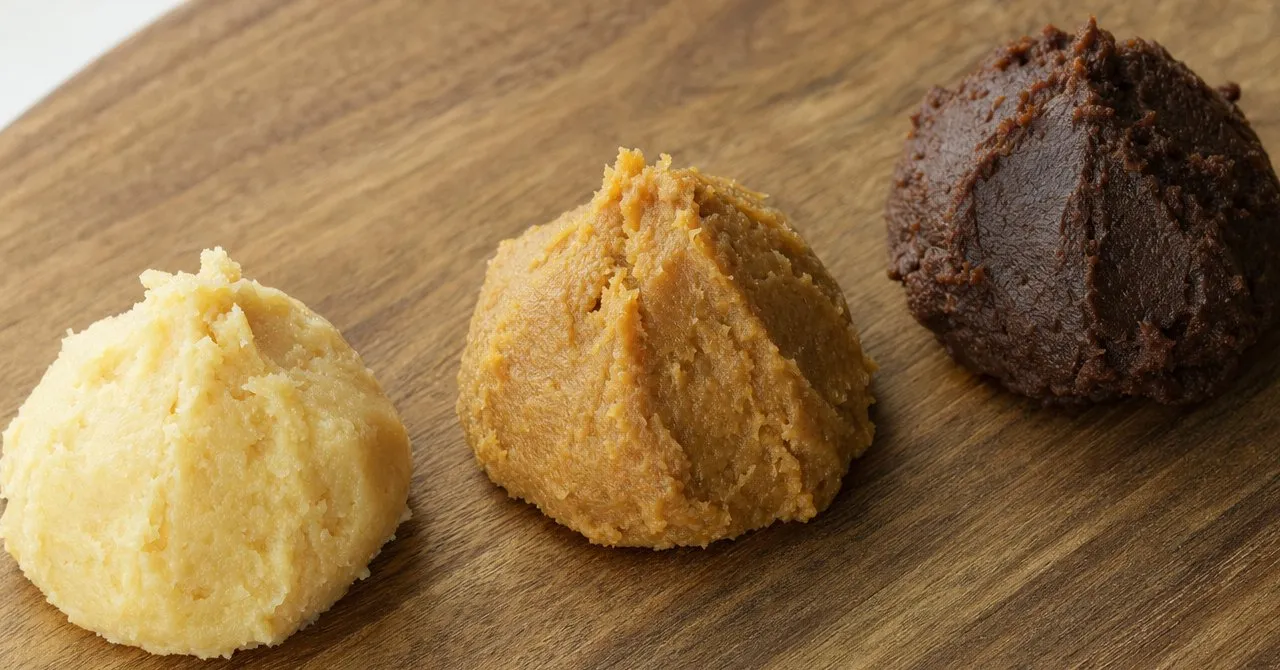 Miso Isn't One Thing: Rice, Barley and Soybean MisoJapan sorts miso by koji, taste and color. Why sweet white miso has half the salt of red, what US "white miso" can mean, and why miso soup isn't boiled.
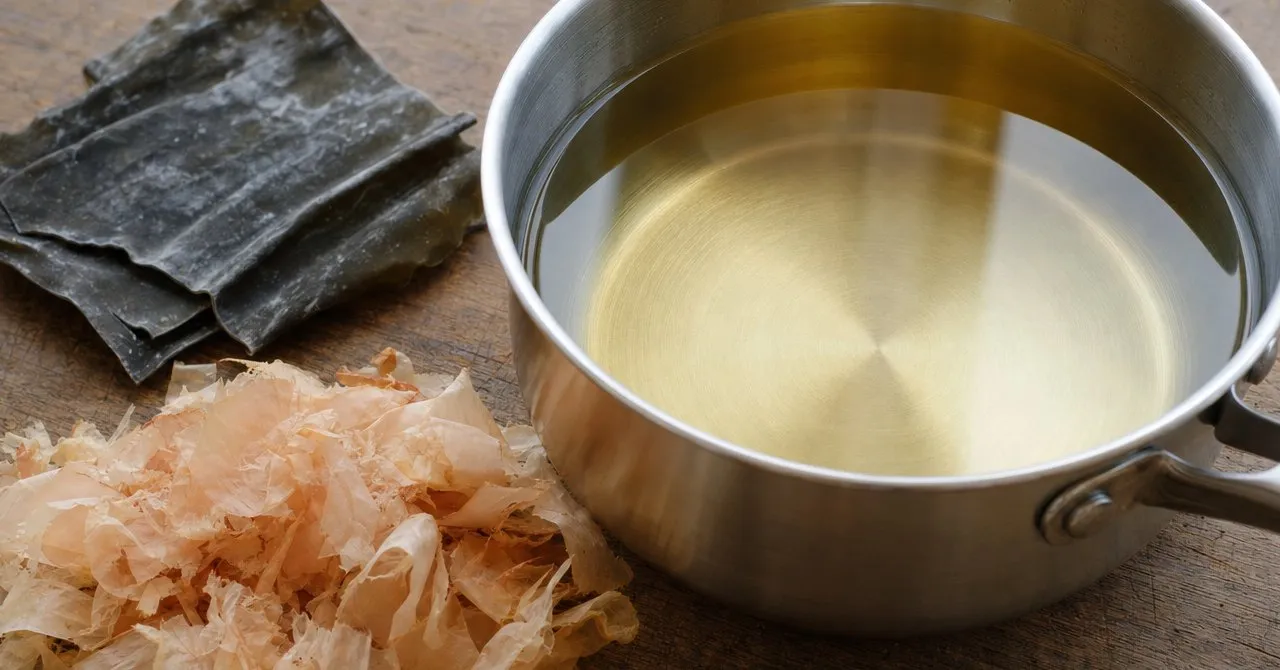 Dashi Isn't Fish StockDashi is a gentle extraction, not a long simmer, and some versions use no fish at all. How Japanese makers do it, plus a vegetarian dashi.
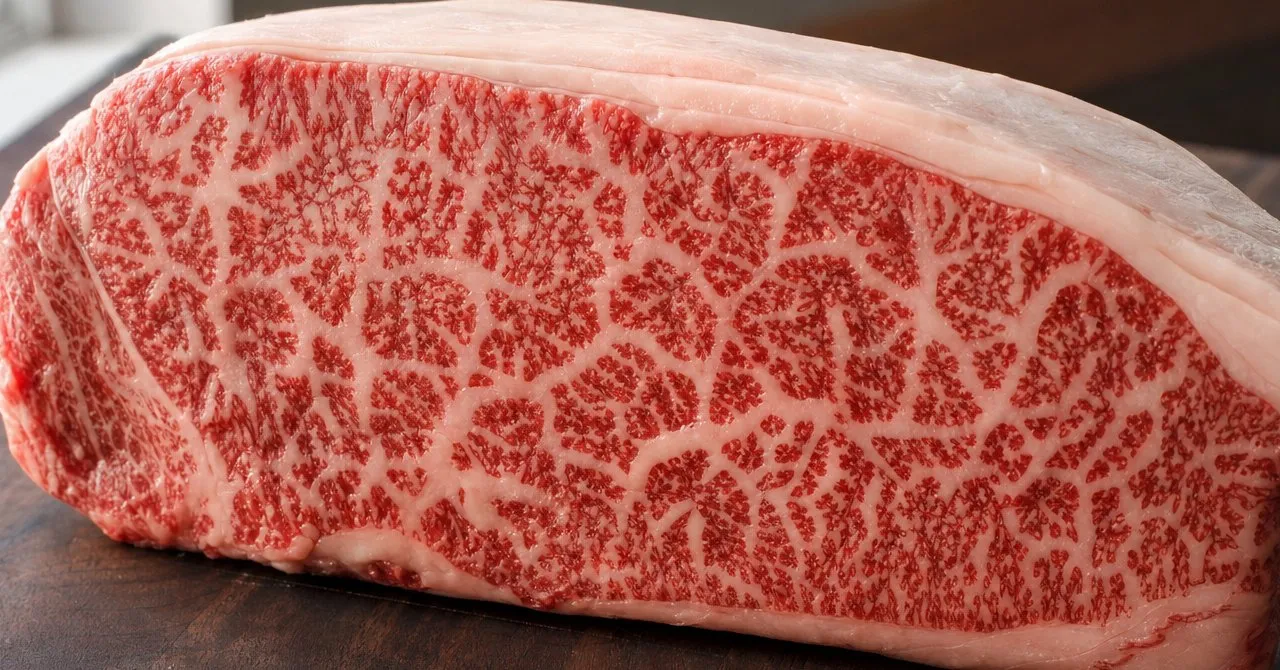 What A5 Wagyu and Kobe Beef Actually MeanA5 is a Japanese carcass grade, not a breed. Wagyu means four Japanese breeds, and Kobe Beef is a protected name with its own rules. Here's how they fit.
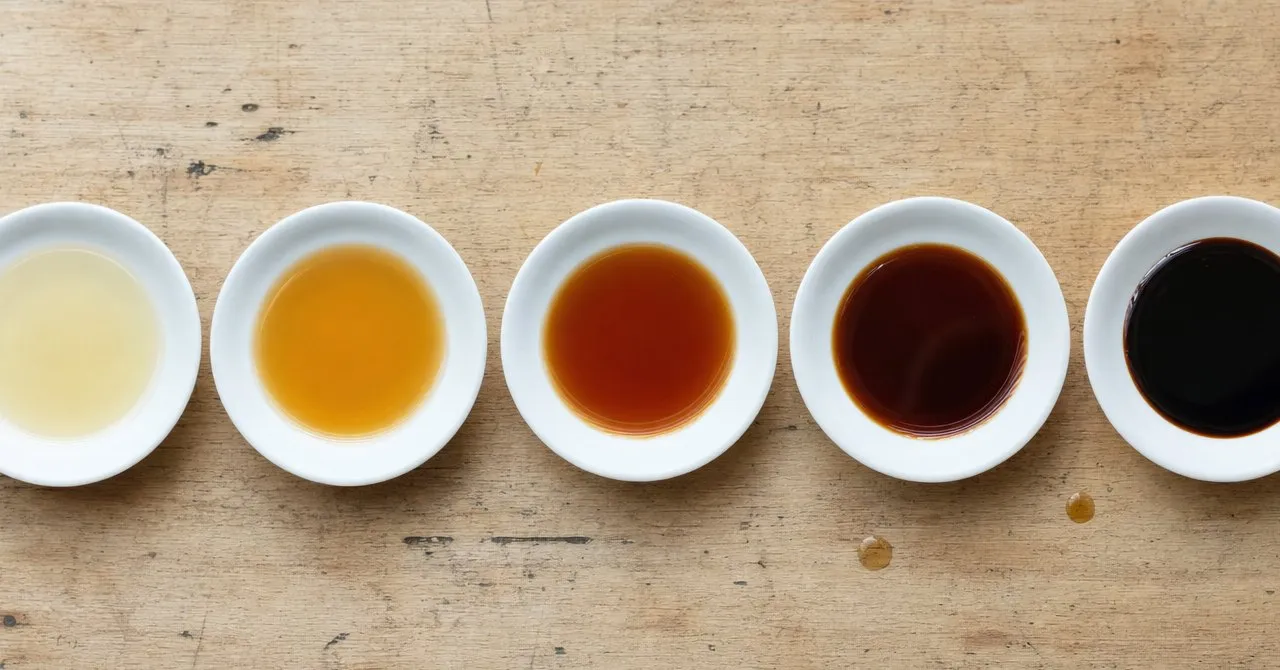 Japanese Soy Sauce Isn't One Thing — Koikuchi, Usukuchi, Tamari and MoreJapan's standard defines five soy sauces. Why usukuchi is light in color but saltier, how it differs from Chinese light soy, and which bottle to use.
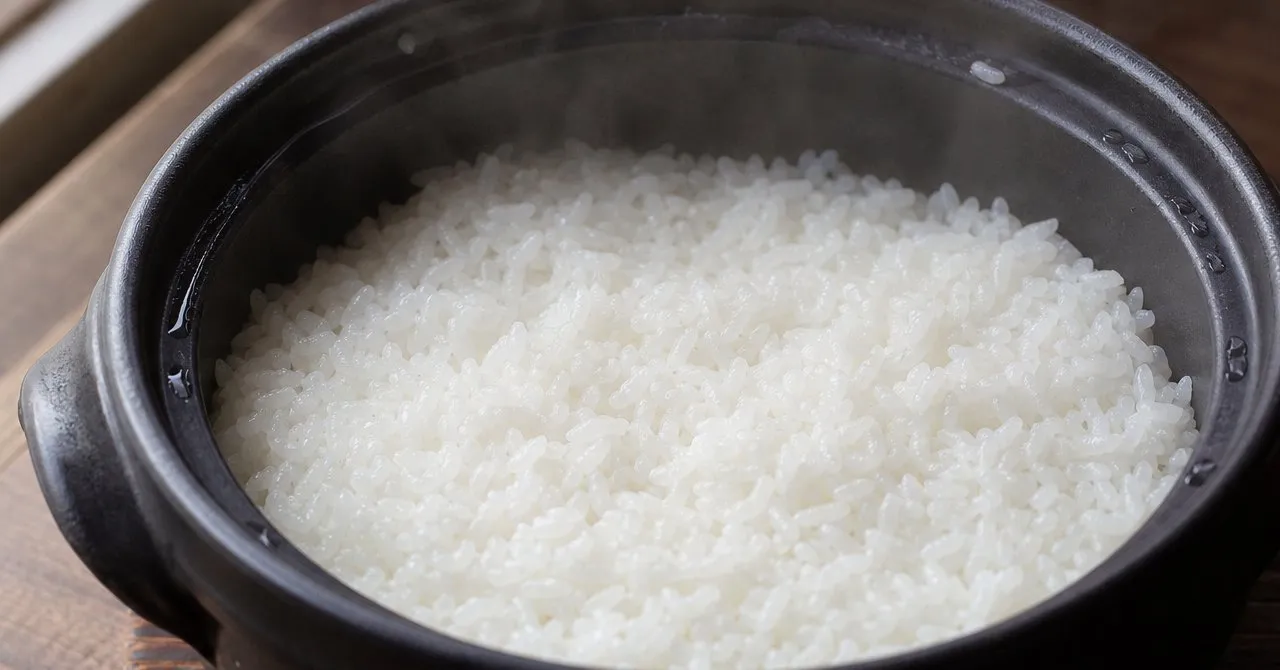 How to Cook Japanese Rice — and Why It Isn't "Sticky Rice"Japanese rice is non-glutinous japonica, not glutinous "sticky rice." How to buy, wash, soak, measure and cook it in a rice cooker or on the stove.
 Cooking Japanese Recipes in an American KitchenJapanese measuring spoons nearly match US ones, but a Japanese cup is 200 mL and a rice-cooker cup is 180 mL. How to convert recipes for a US kitchen.